The filter you never think about
Under-sink reverse osmosis that runs on tap pressure alone, with one combo cartridge where others use three.
One system for each space
Choose the system made for your space.
- Kitchens
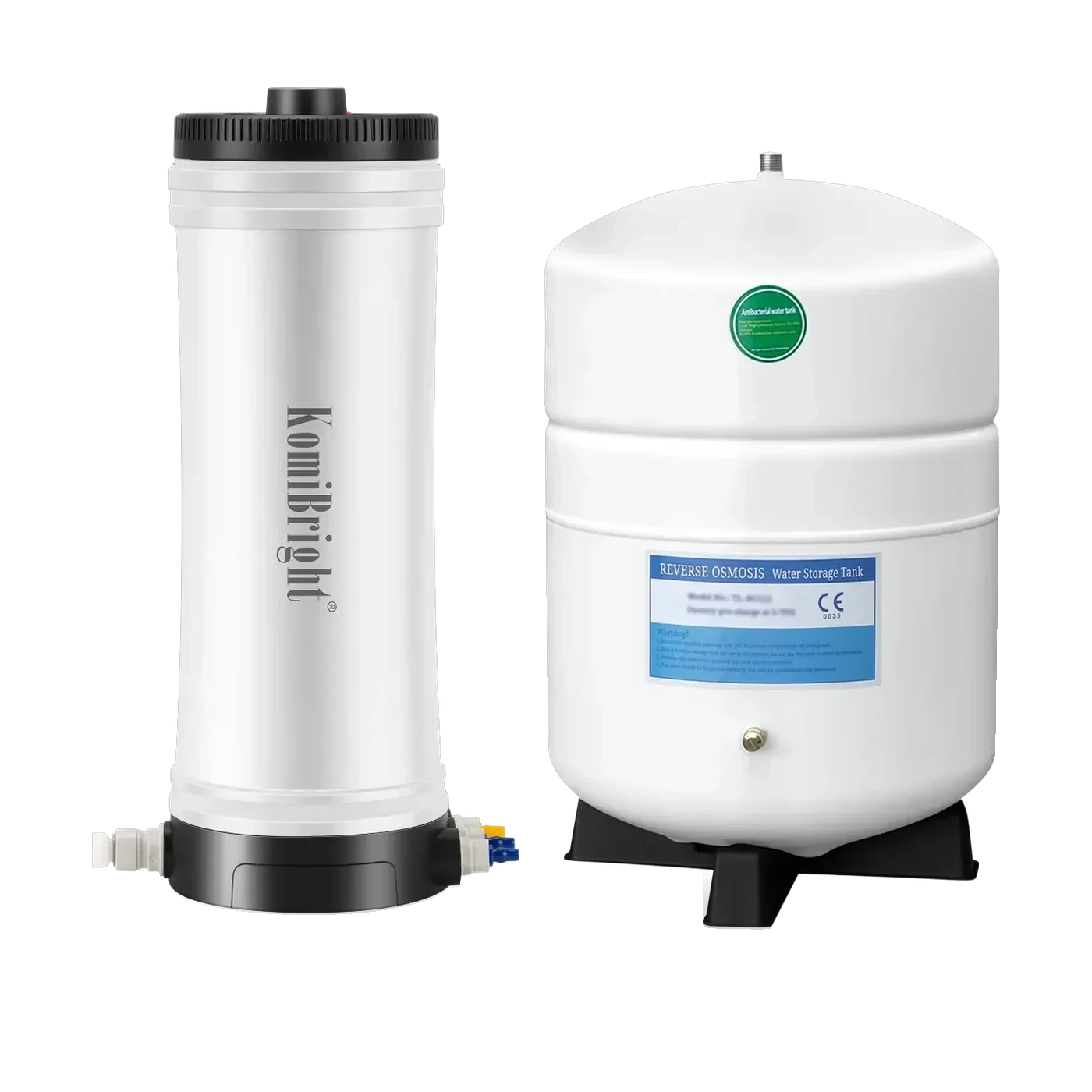 View system
KB-C25R
379 L a day
- Bars & restaurants
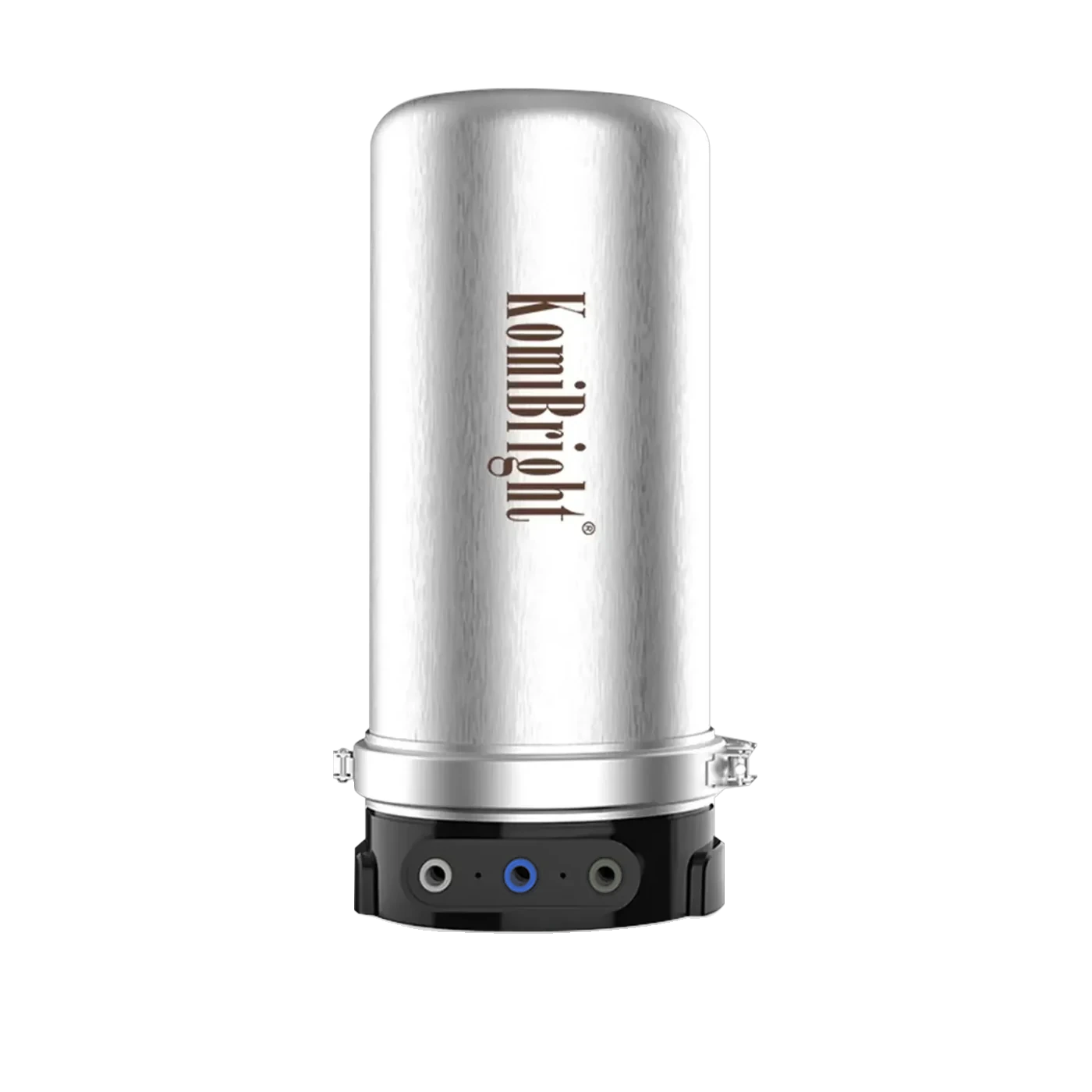 View system
KB-C100R
3,785 L a day
- Laboratories
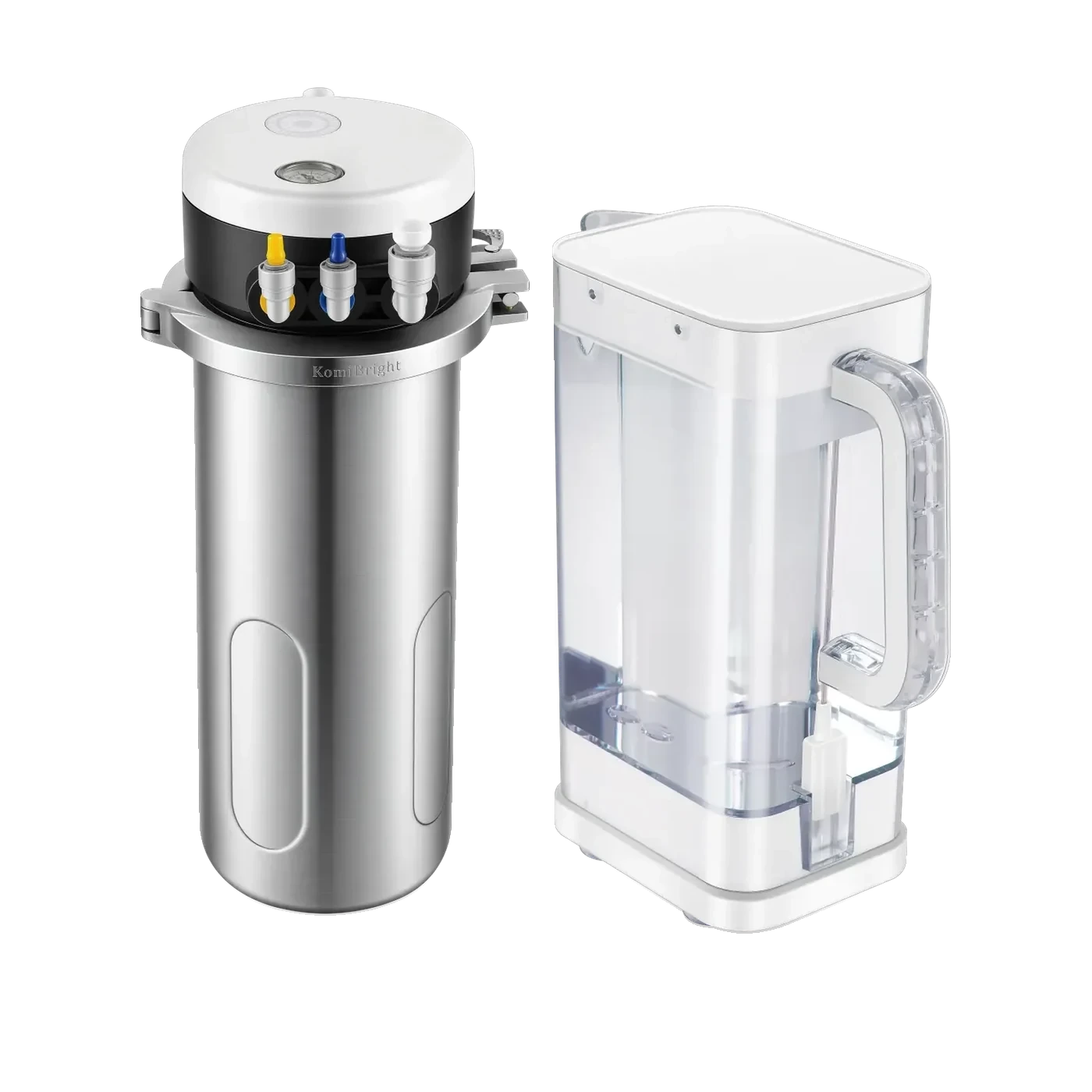 View system
KB-C200RH
757 L a day
- Camping & off-grid
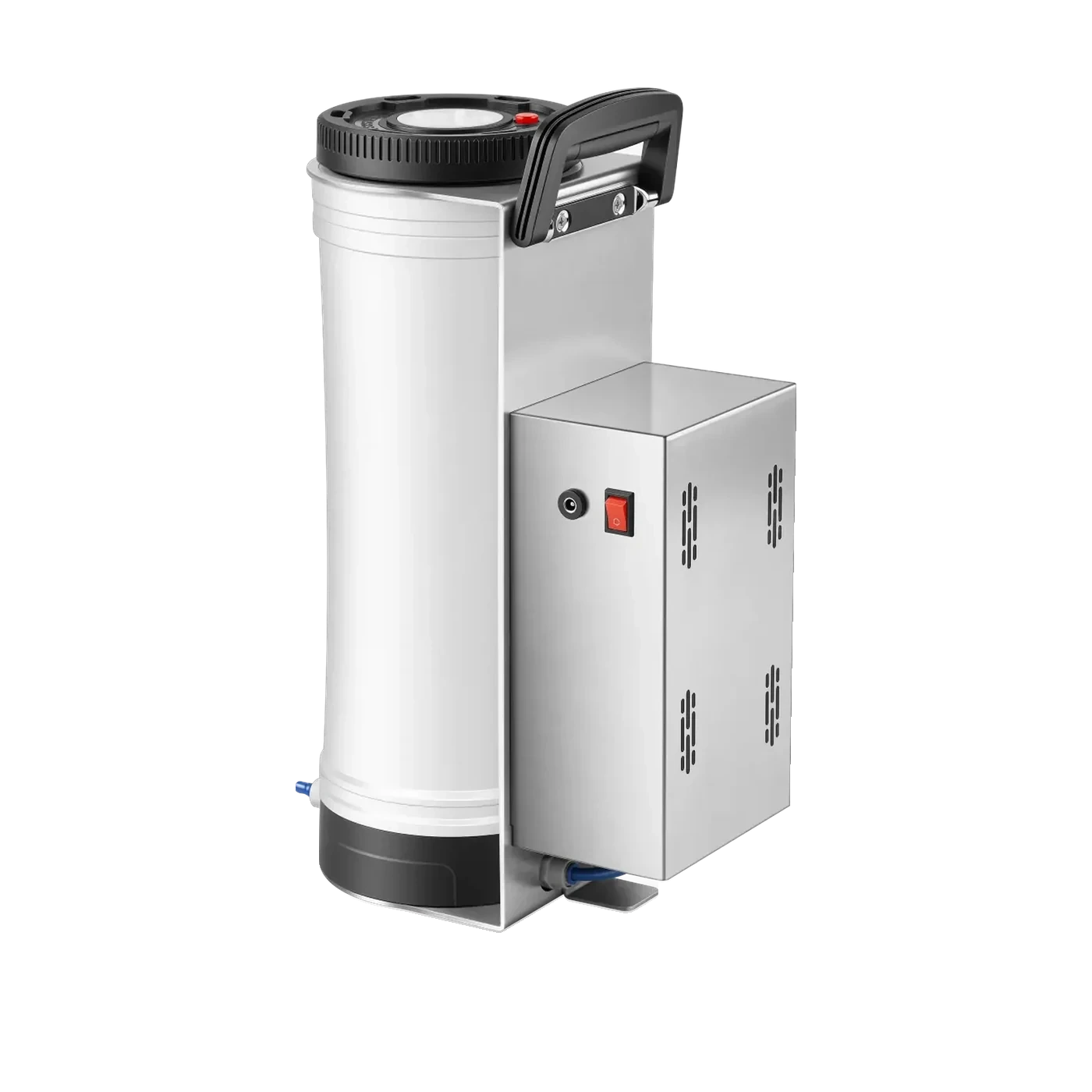 View system
KB-A95R
200 L a day
Swipe for the rest →
0W
Power draw
The under-sink and commercial range runs on the pressure already in the mains. The A95R is the deliberate exception.
1cartridge
Pre-filter
Sediment and carbon in one combo cartridge, where a conventional system uses three.
800ppm
Feed water
Maximum dissolved solids the membrane will take from a municipal supply.
~30countries
In service
Systems installed with users in nearly thirty countries worldwide.
Four stages, no moving parts
- 01 / 04
Line pressure in
Tap pressure does the work: no pump, no socket. The minimum supply pressure differs by model; the finder checks yours against it.
- 02 / 04
Sediment and carbon
One cartridge, the Combo filter (F-210), takes out grit, rust and the chlorine that would wear the membrane.
- 03 / 04
The membrane
The membrane lets water through and sends dissolved solids to drain. Feed water must stay under 800 ppm.
- 04 / 04
Out to the tap
Into a tank and a dedicated faucet, or straight to the outlet on direct-flow models. The model decides which.
Mains pressure does the work a pump does in a conventional reverse-osmosis system. Nothing in the chain below needs power, and only two parts of it are ever replaced.
Configured for the room it lives in


Trust and proof
Who makes it, what the papers say, and how it is installed. Everything a distributor checks before an order, published rather than promised.
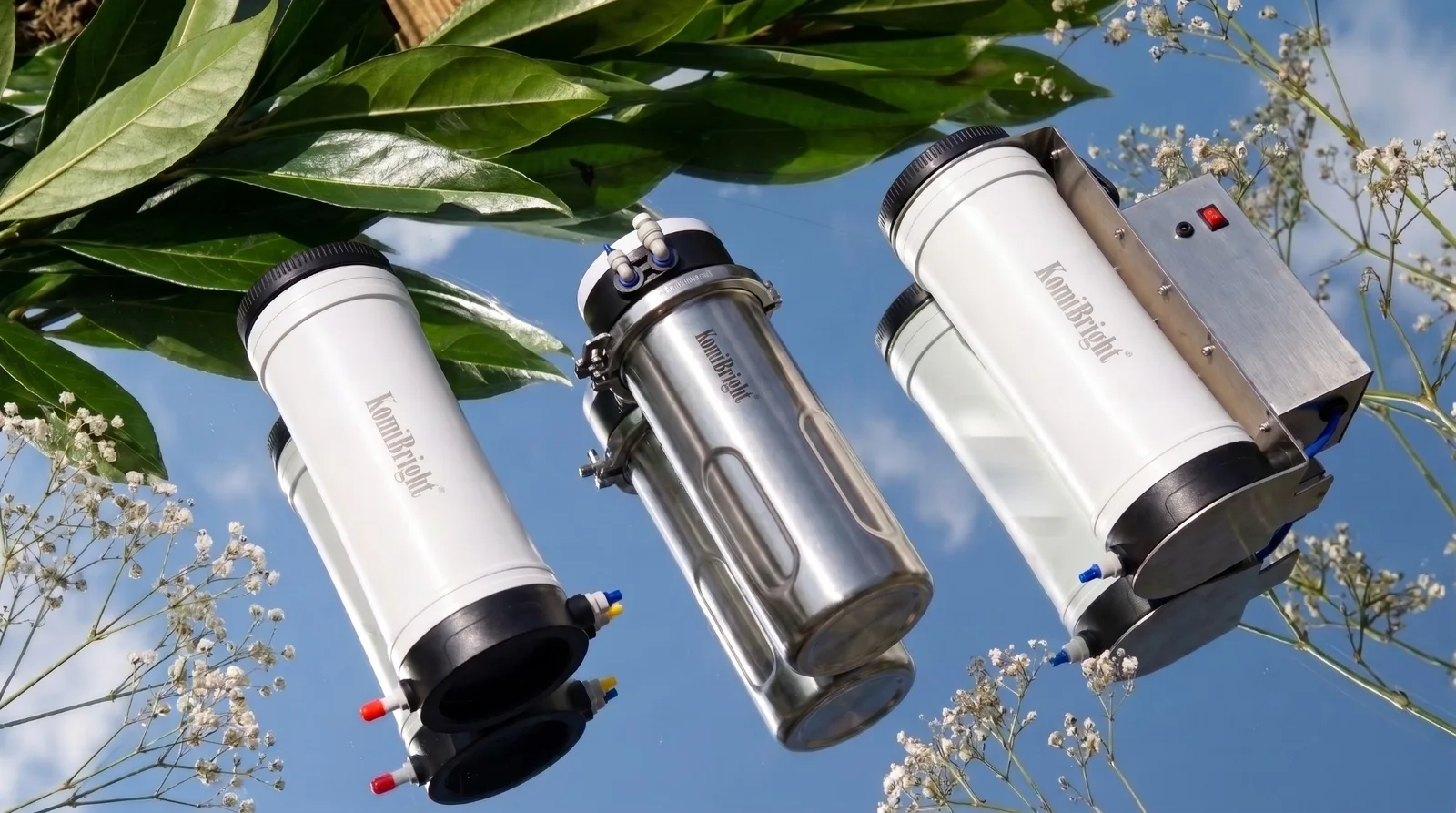
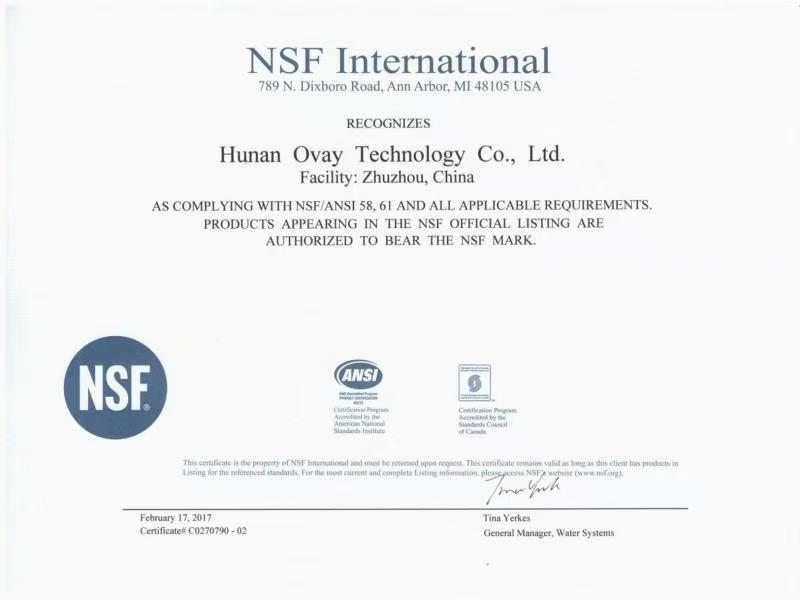
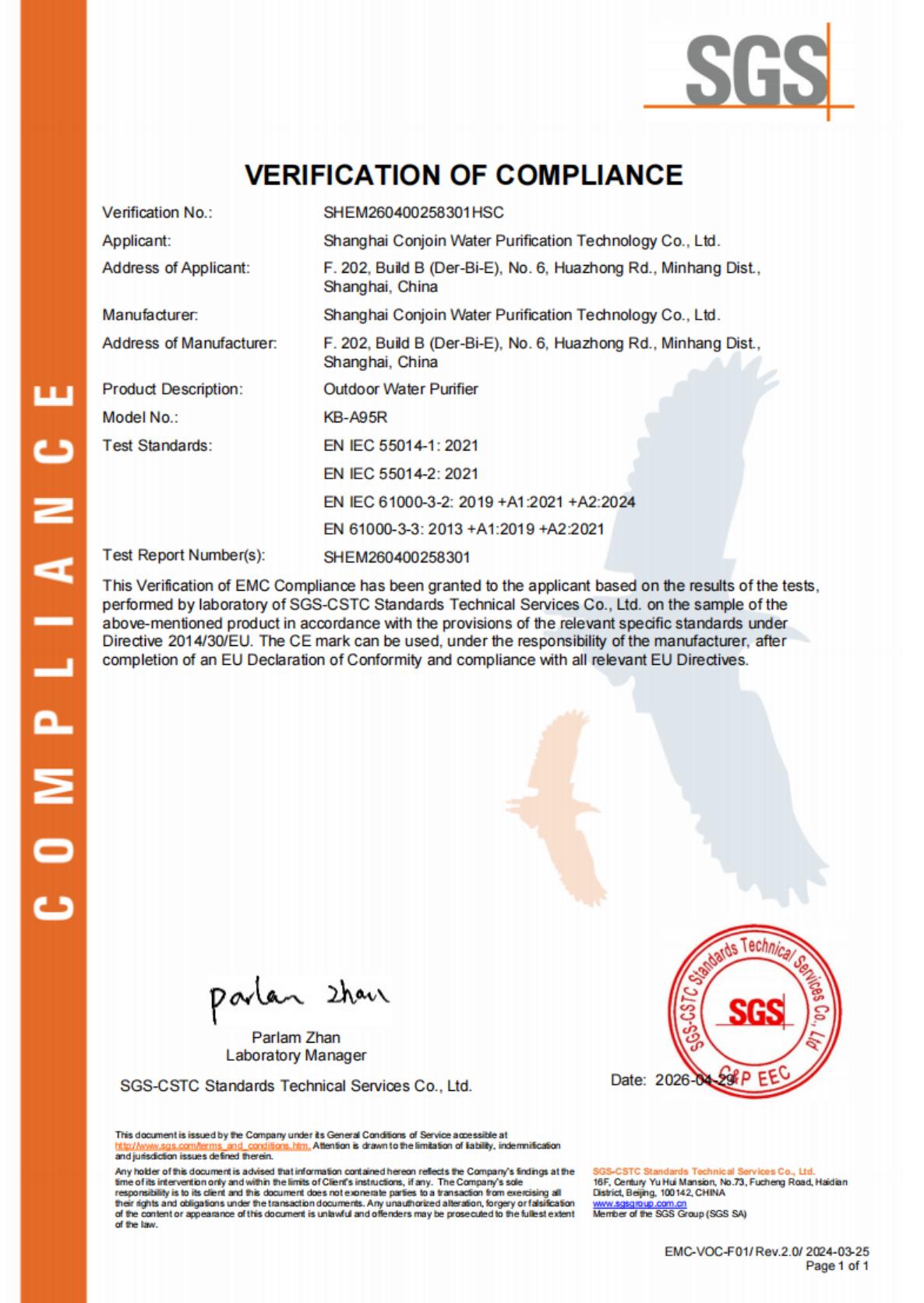
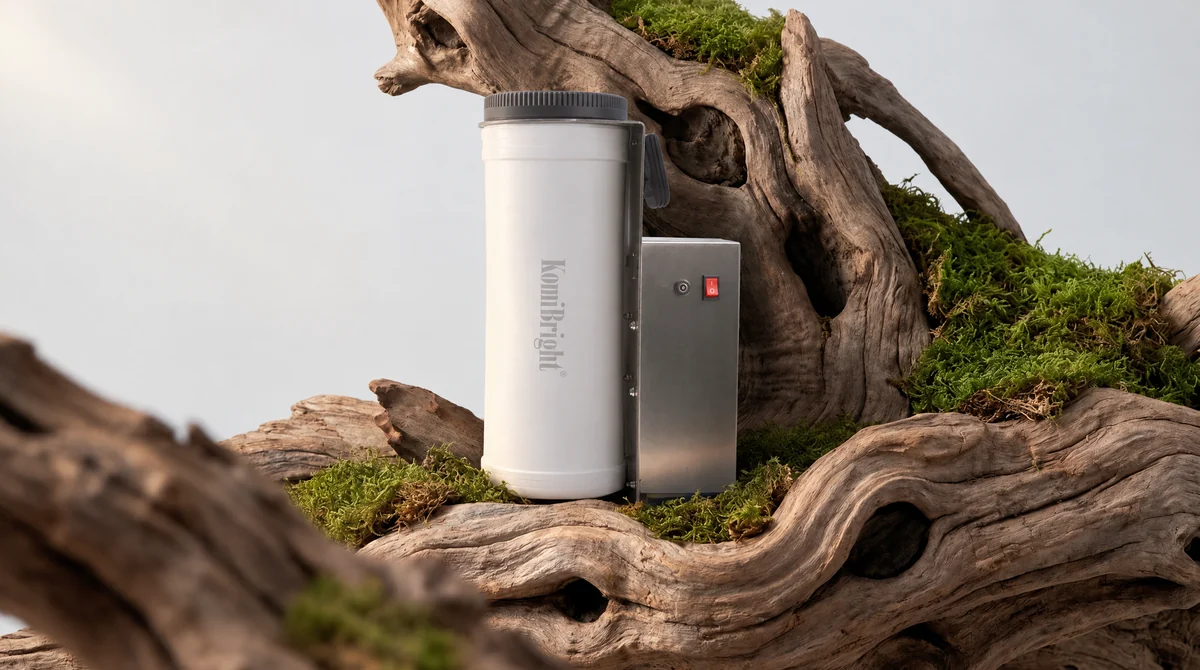
News and events
Where to meet us next, and what we have written on how reverse osmosis works, choosing a system and keeping it running.
All articles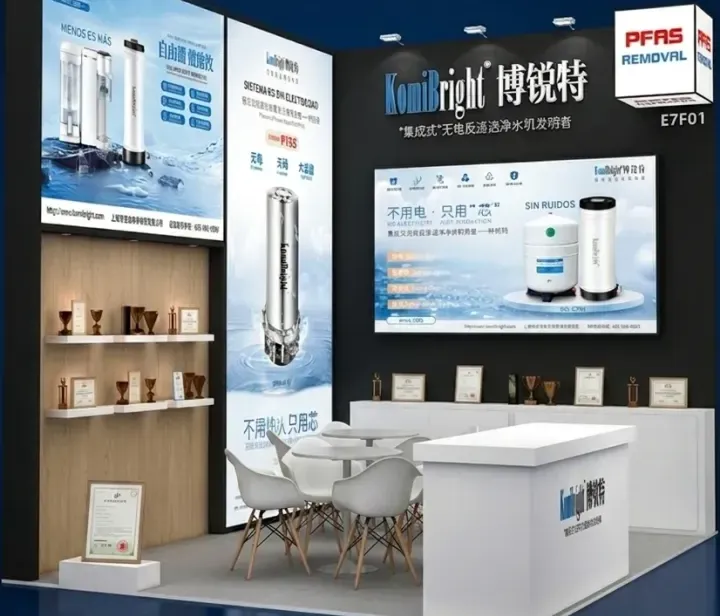
Reverse osmosis
What Is Reverse Osmosis and How Does It Work?
Reverse osmosis
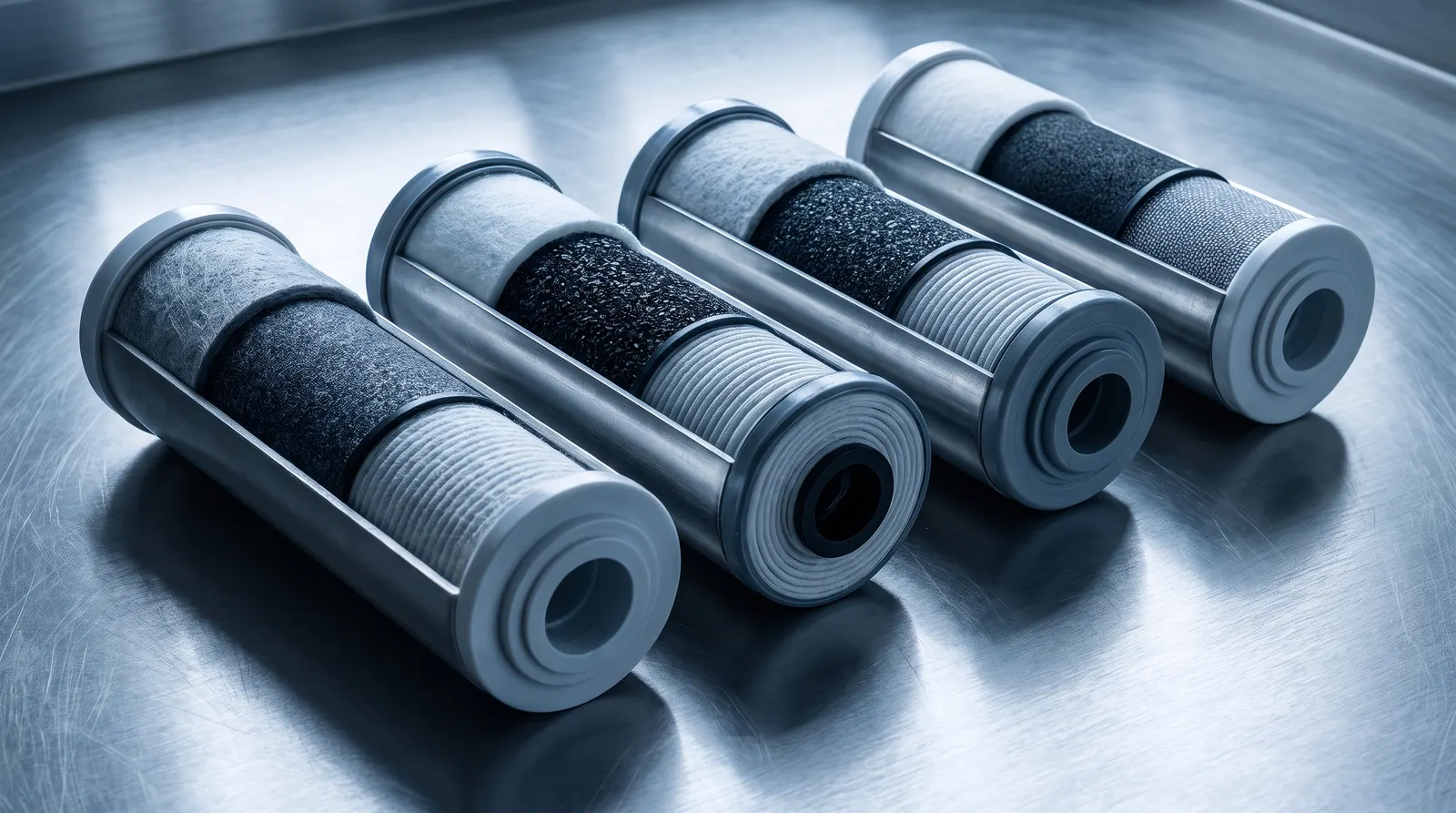
How Does a Water Purification System Work?
Reverse osmosis
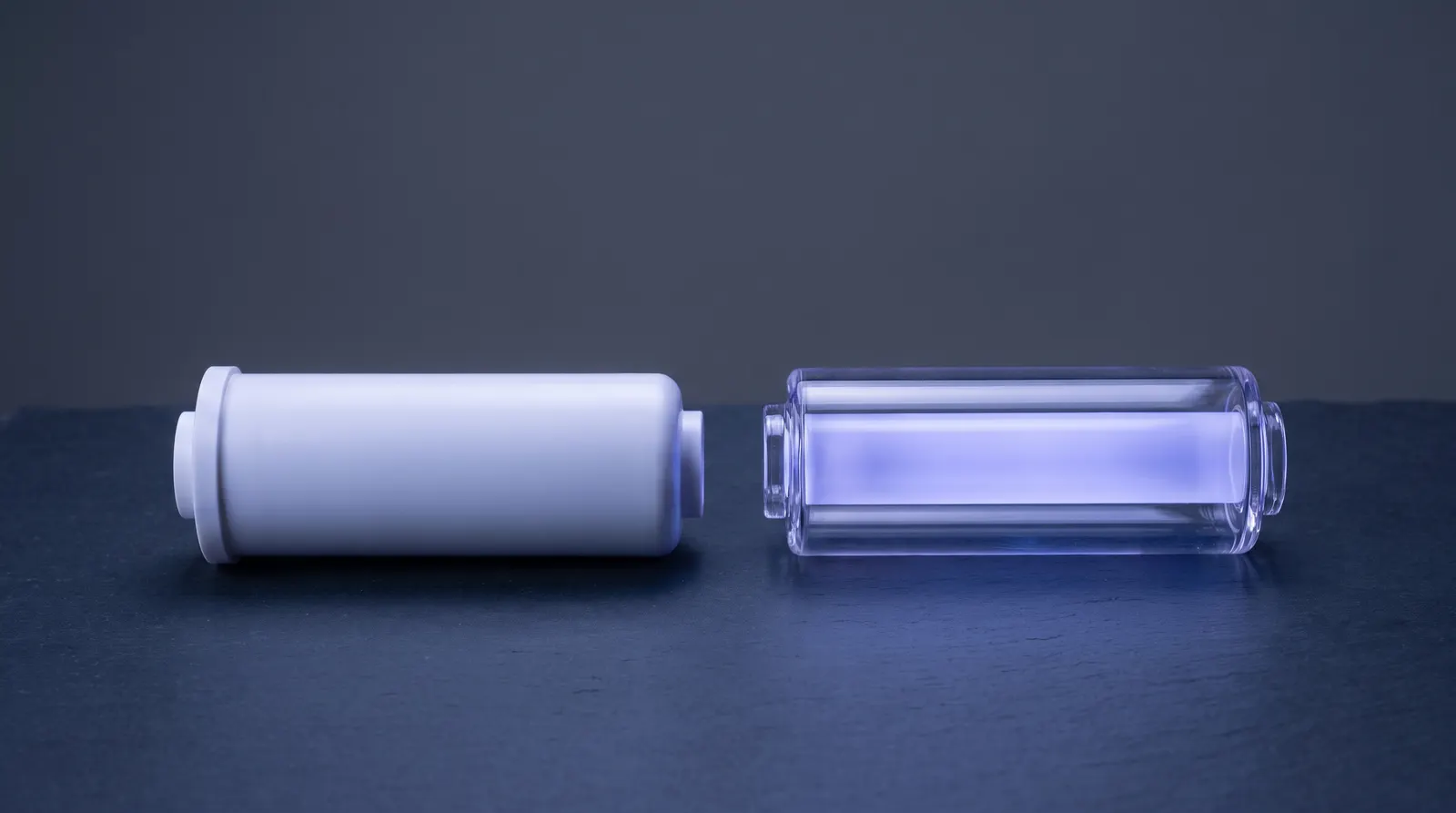
RO vs. UV Water Purification: What Is the Difference?
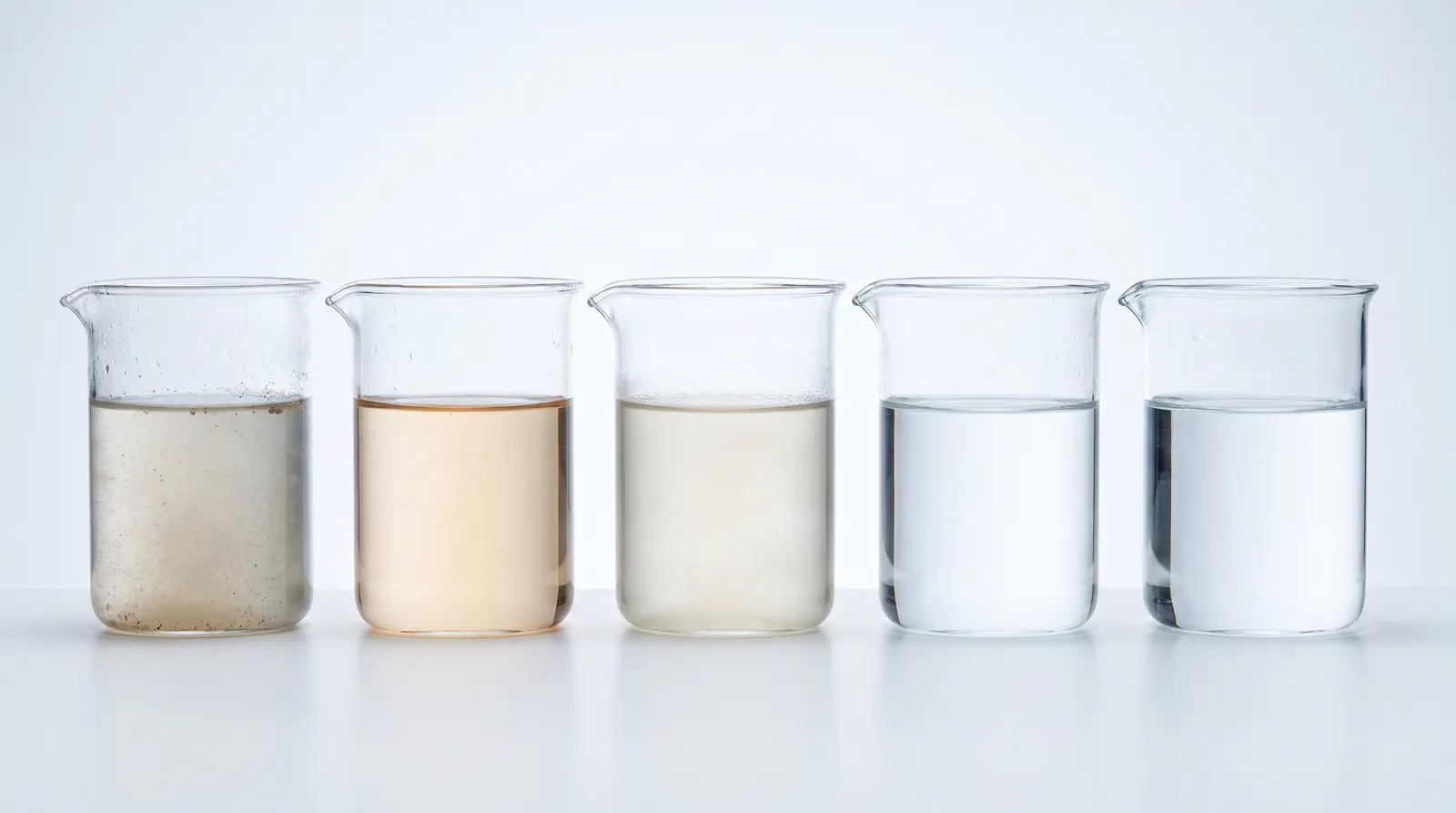
Water quality
What Contaminants Can Water Filters Remove?
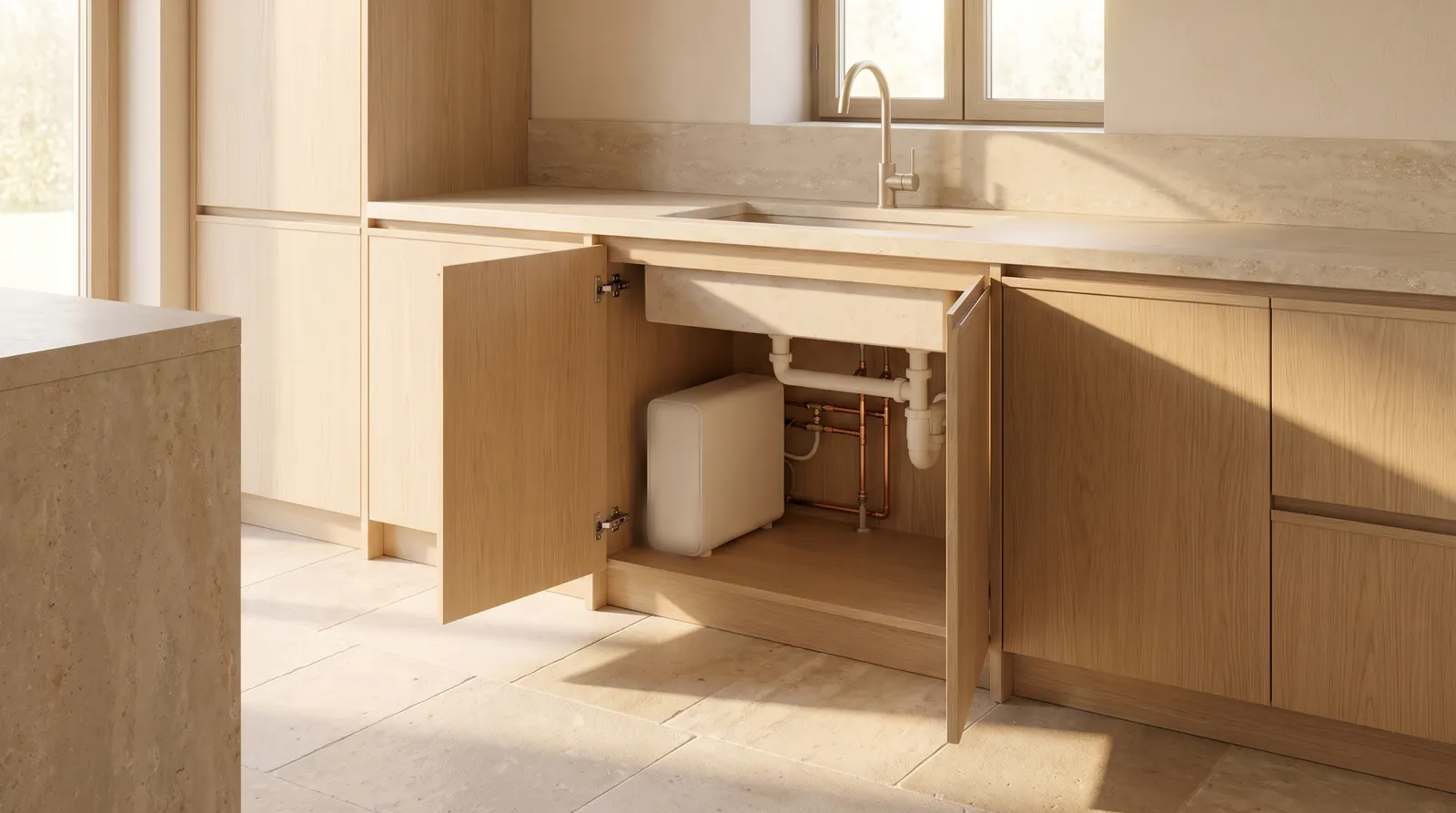
Choosing a system
How to Choose a Water Filtration System for Your Home
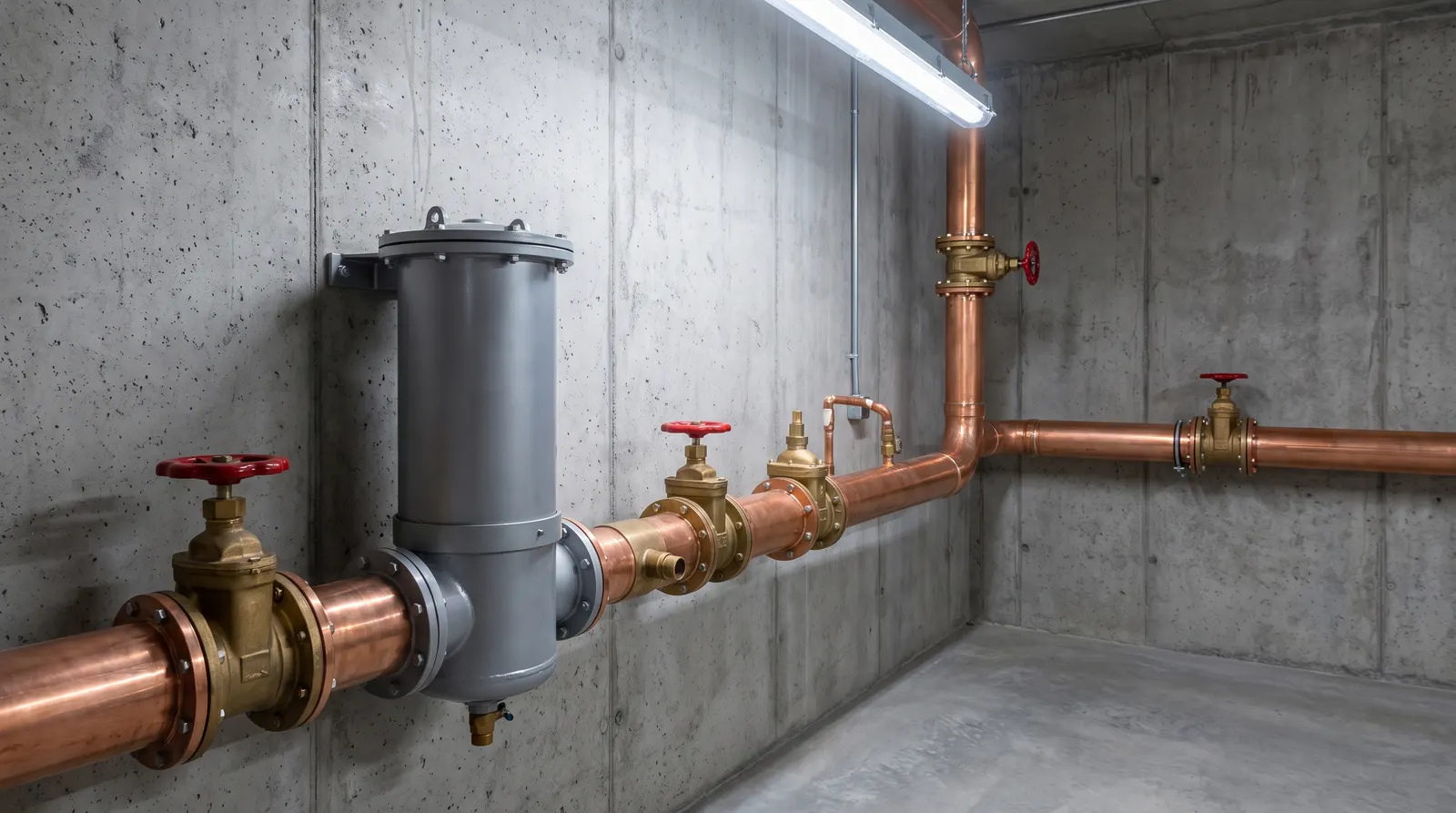
Choosing a system
Whole-House vs. Under-Sink Water Filtration
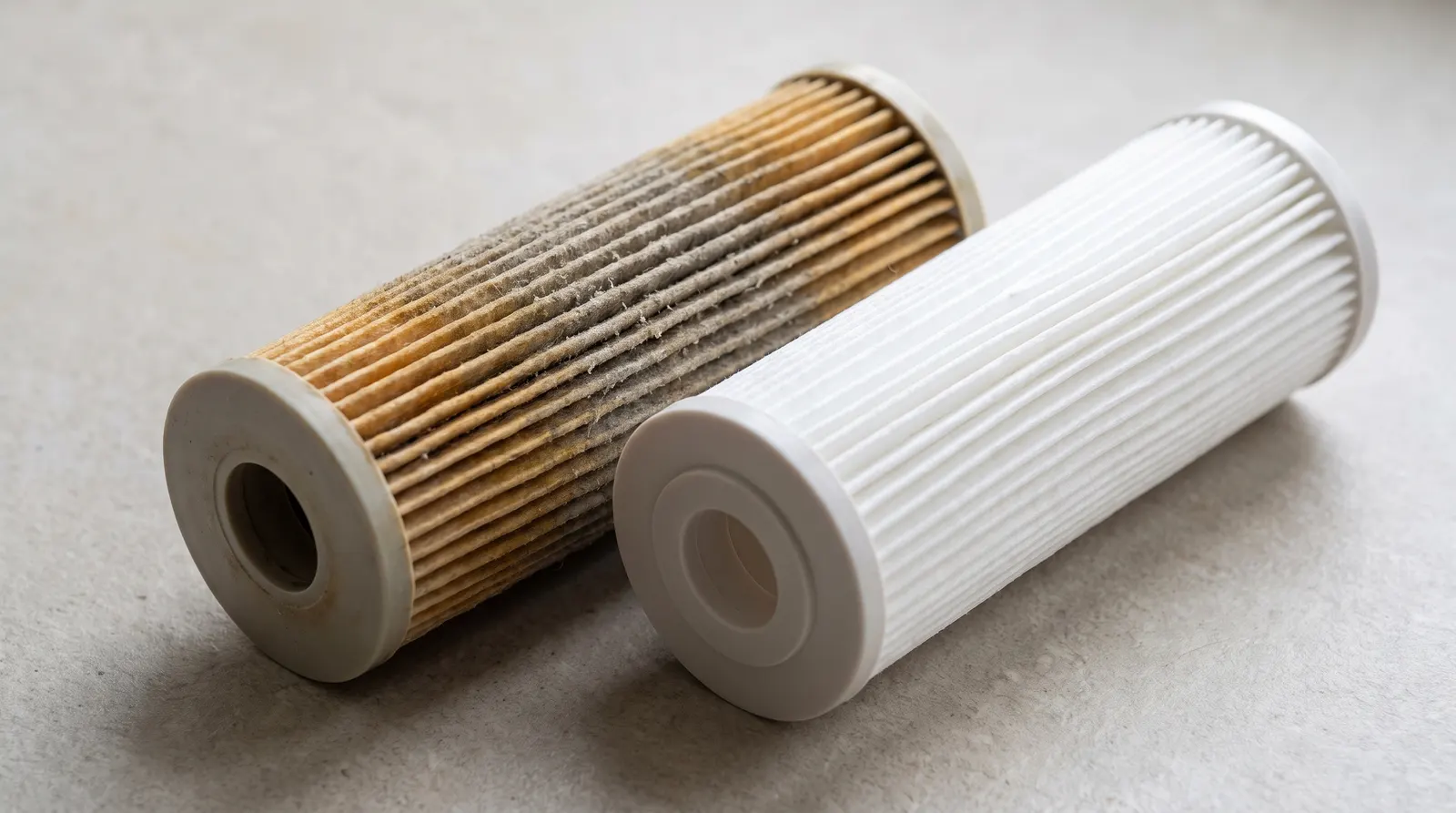
Maintenance
How Often Should Water Filters Be Replaced?
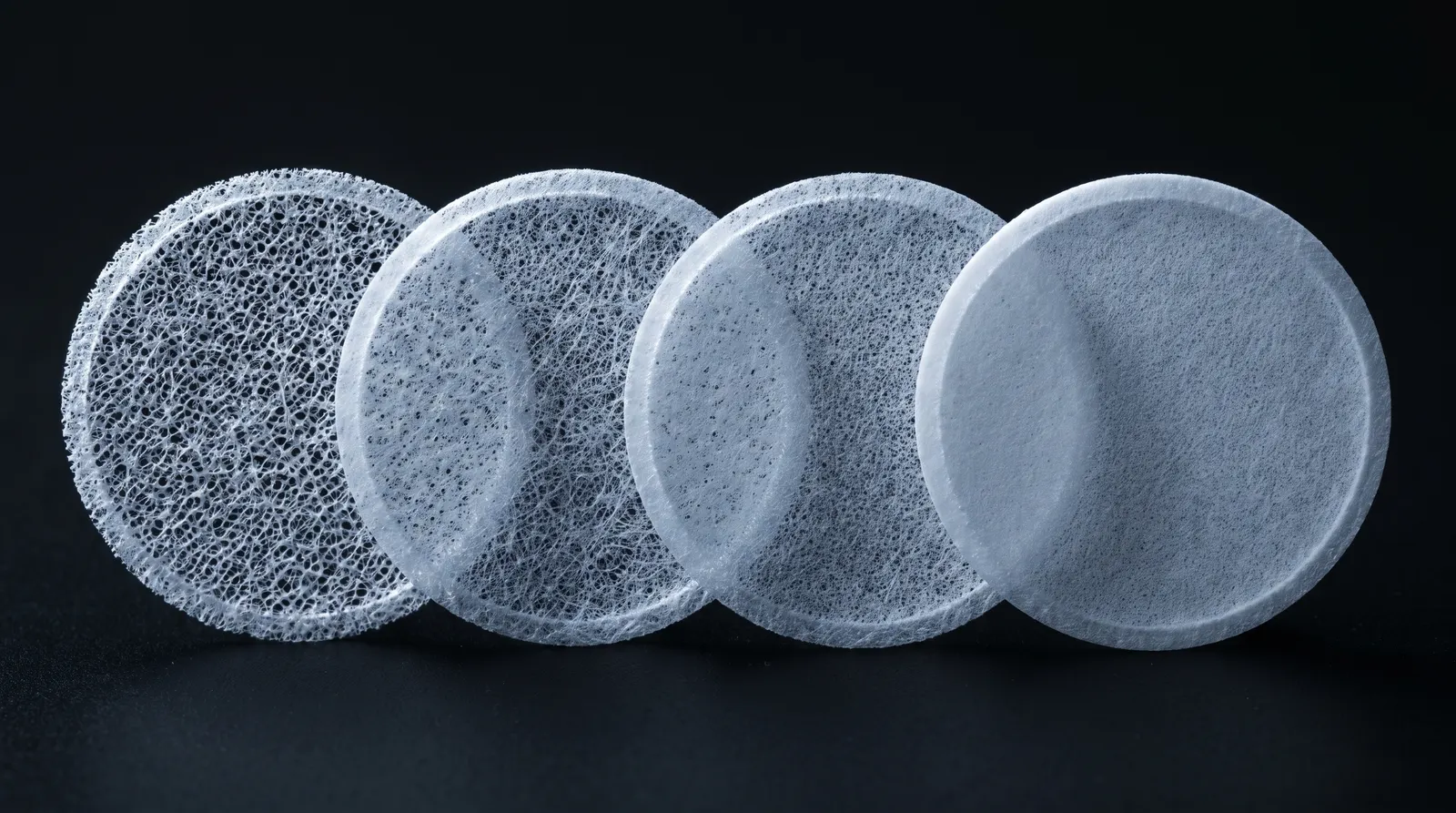
Reverse osmosis
What Is Membrane Filtration?
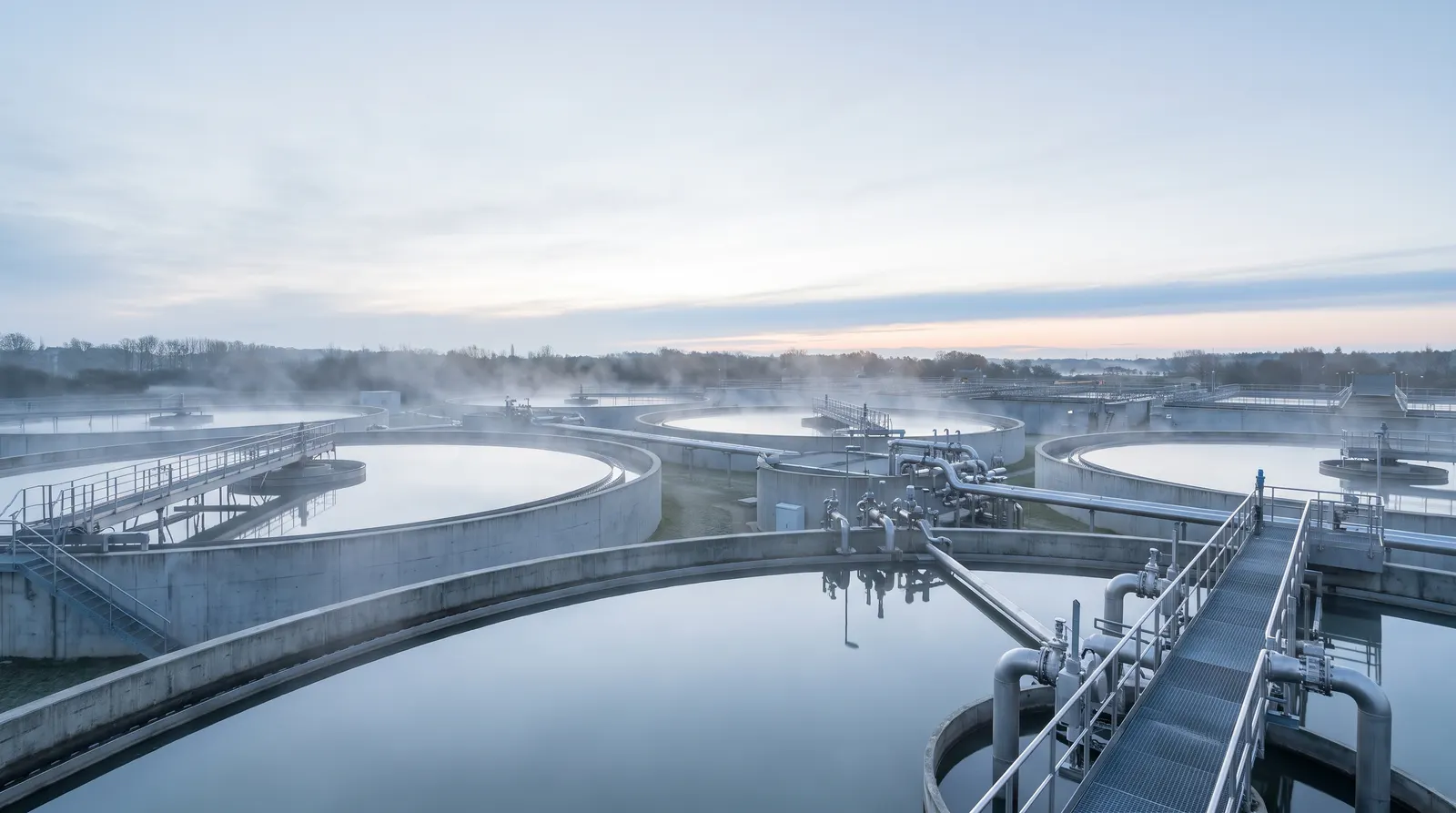
Sustainability
What Is Water Reuse and Why Does It Matter?
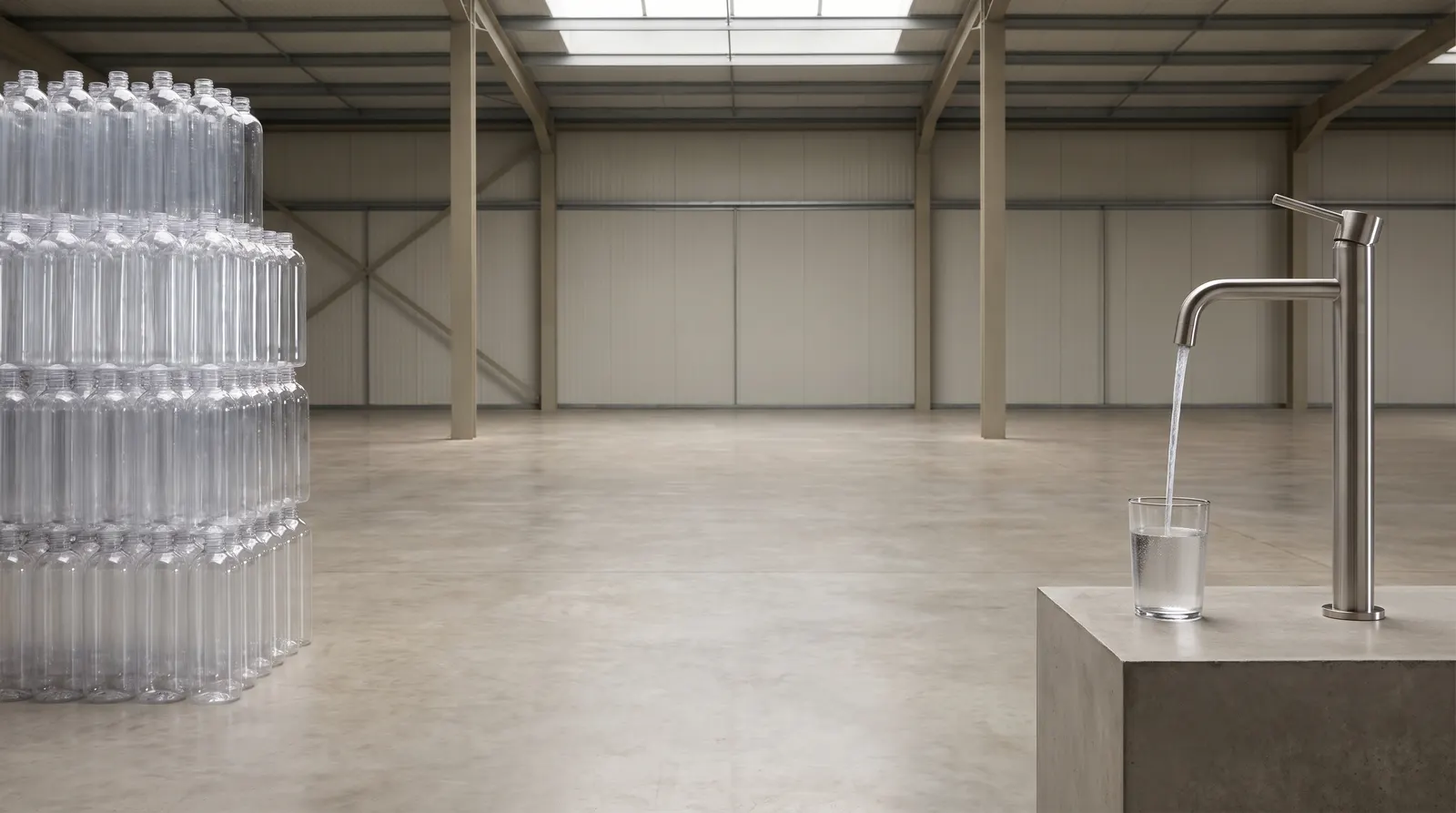
Sustainability
How Does Water Filtration Support Sustainable Water Management?
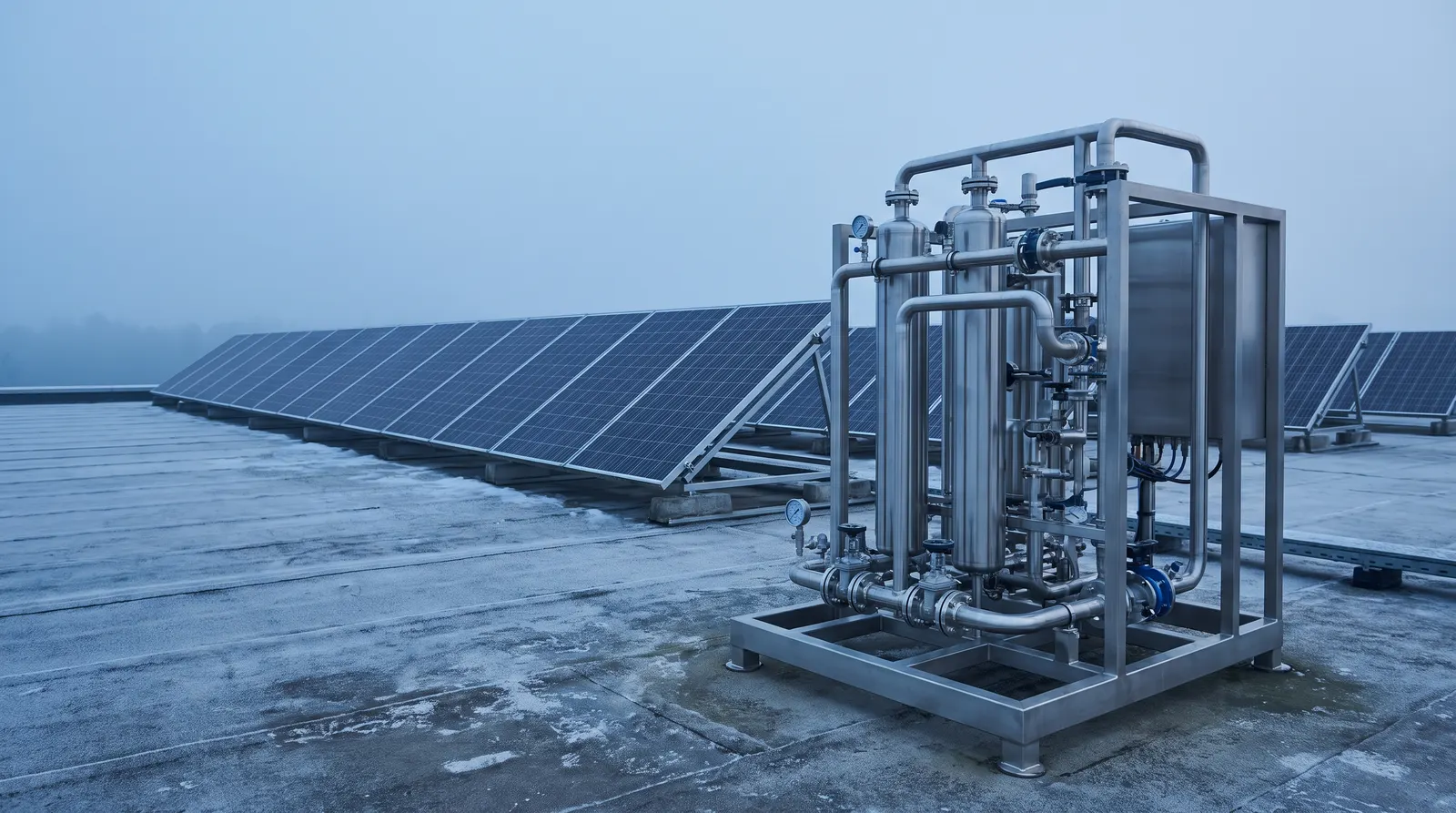
Sustainability
Energy-Efficient Purification and What It Changes in System Design
Choosing a system
Point-of-Use Treatment in Asia's Growing Cities
Water quality
Desalination and the Problem of Brine Disposal
Maintenance
What Smart Monitoring Can and Cannot Tell You About Water

Water quality
Reading a Water Report Before You Buy a Filter

Choosing a system
What Water-Treatment Certifications Actually Certify
From KomiBright
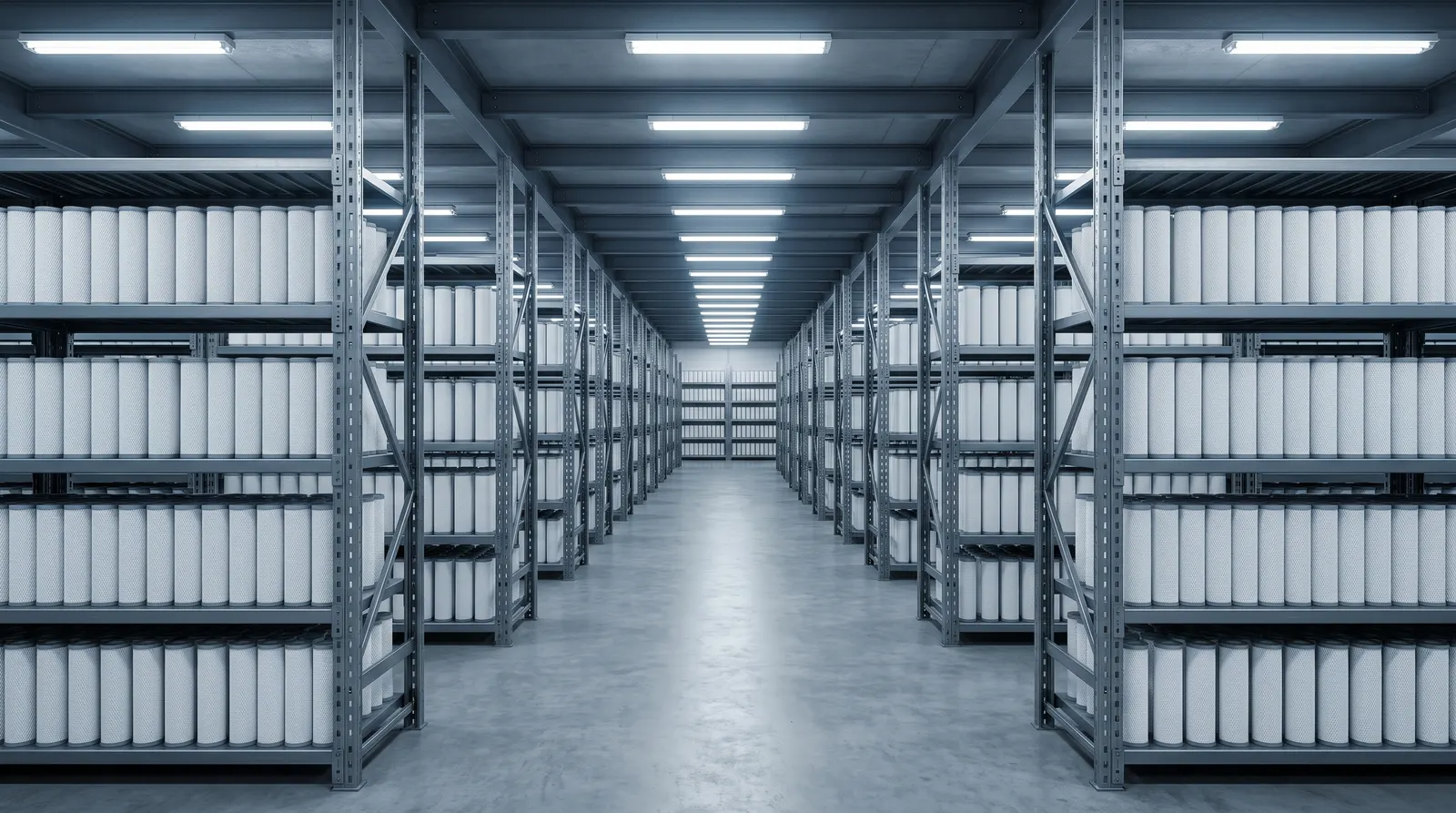
Why Simplicity Matters in Water Purification
From KomiBright
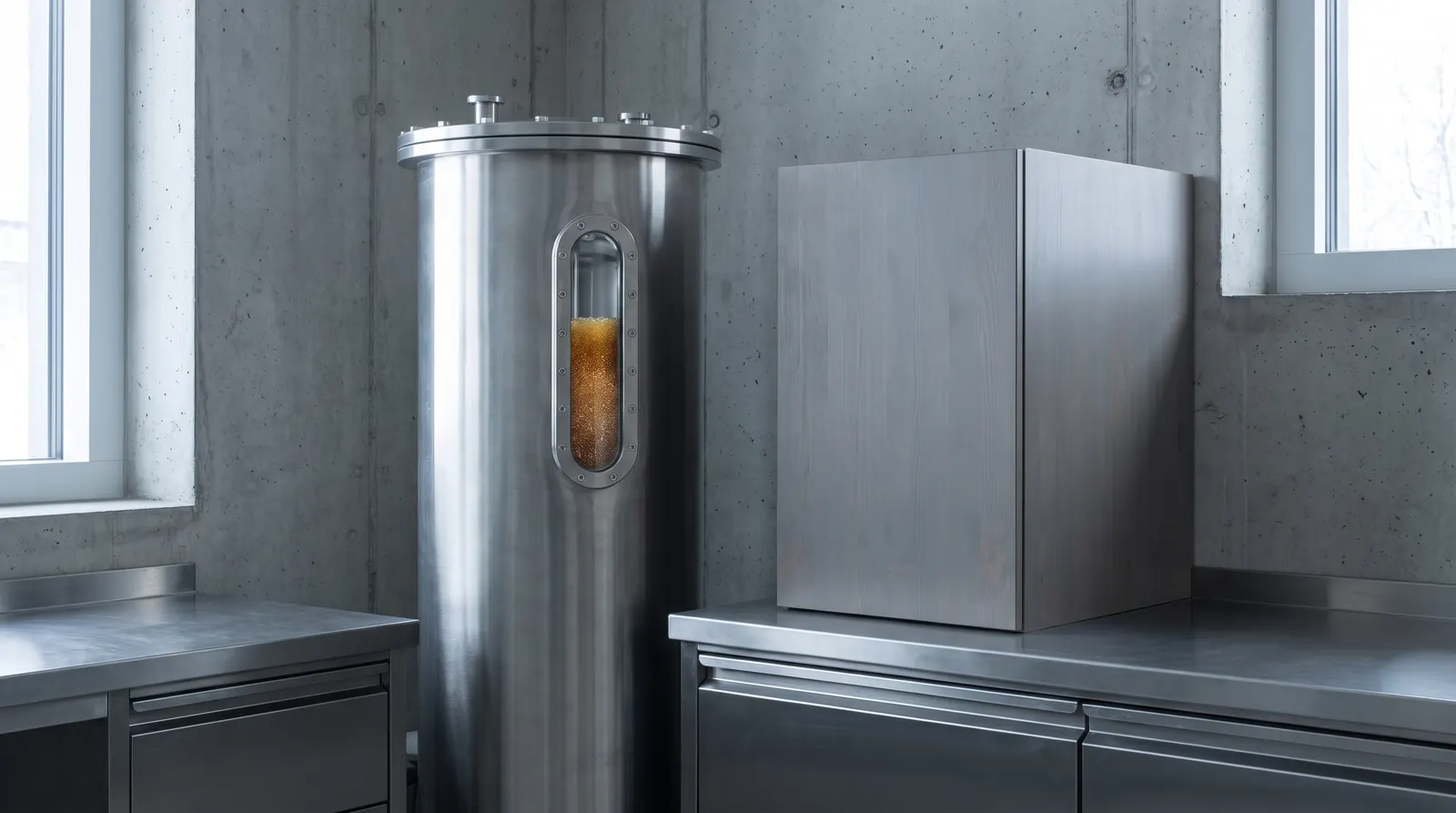
KomiBright's Approach to Sustainable Filtration
Choosing a system
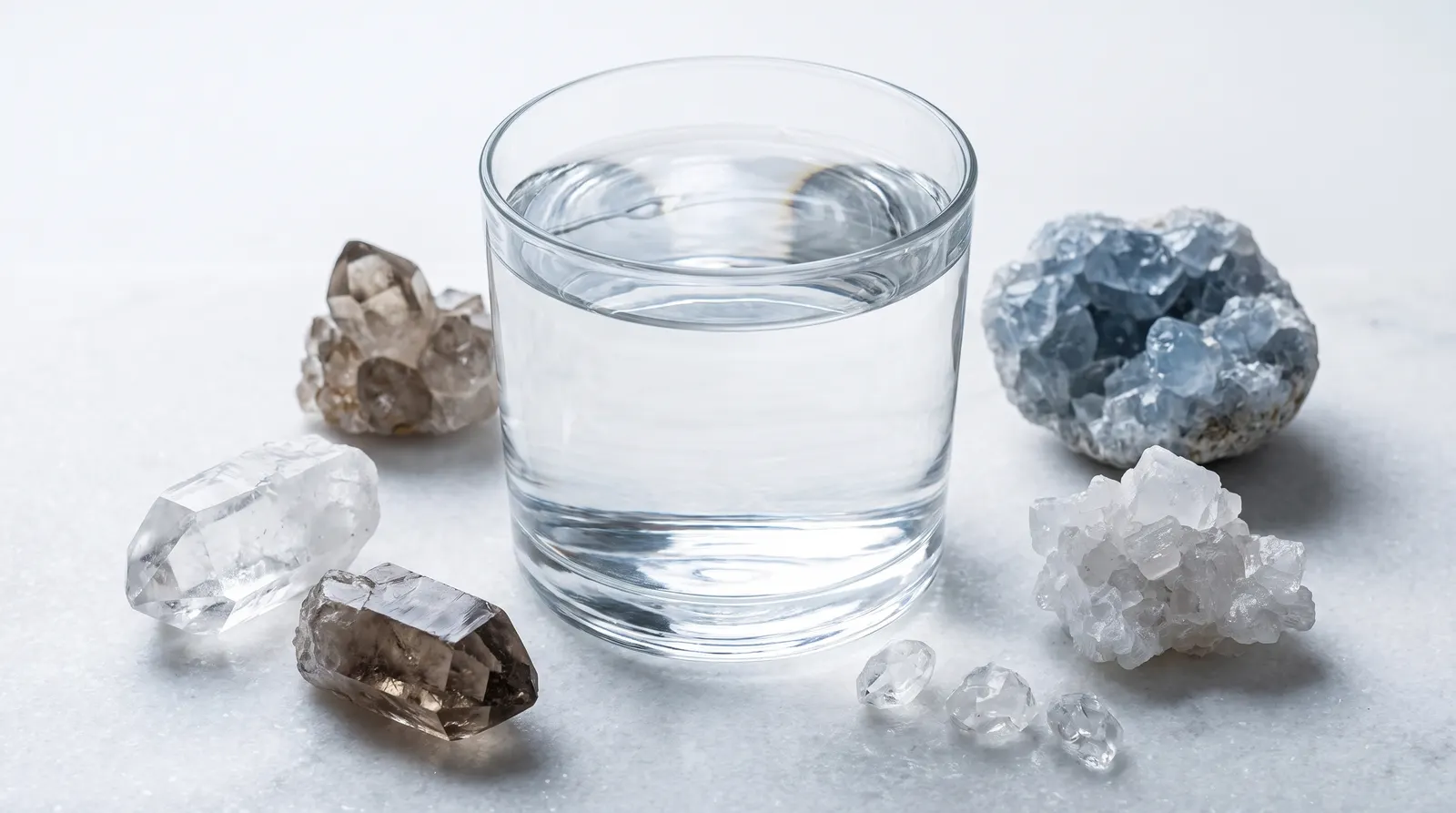
Water Softener or Reverse Osmosis: Which Problem Are You Solving?
Water quality
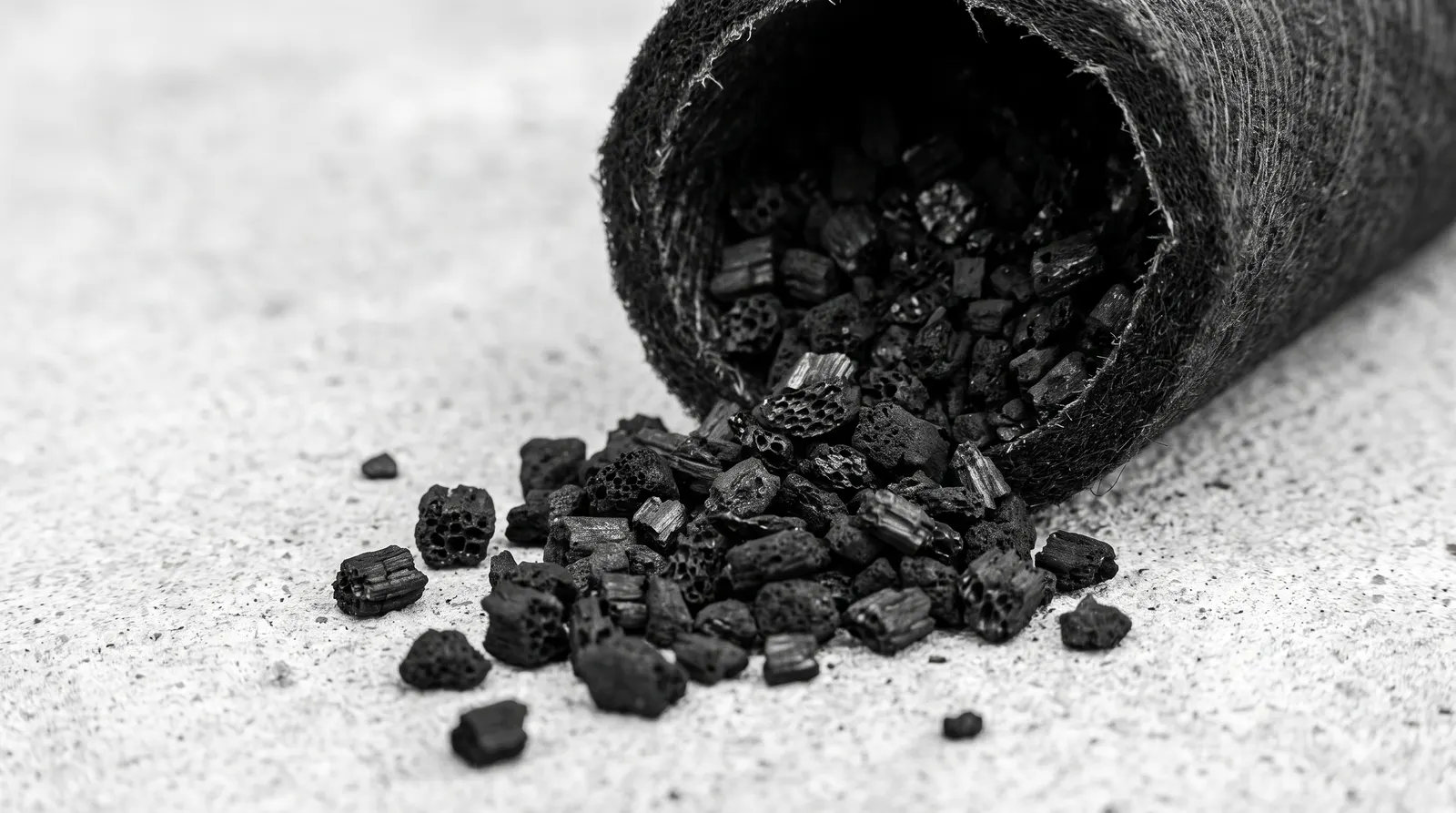
Does Reverse Osmosis Remove Useful Minerals?
Water quality
Chlorine, Taste and Odour: Why Safe Water Can Still Taste Wrong
Water quality
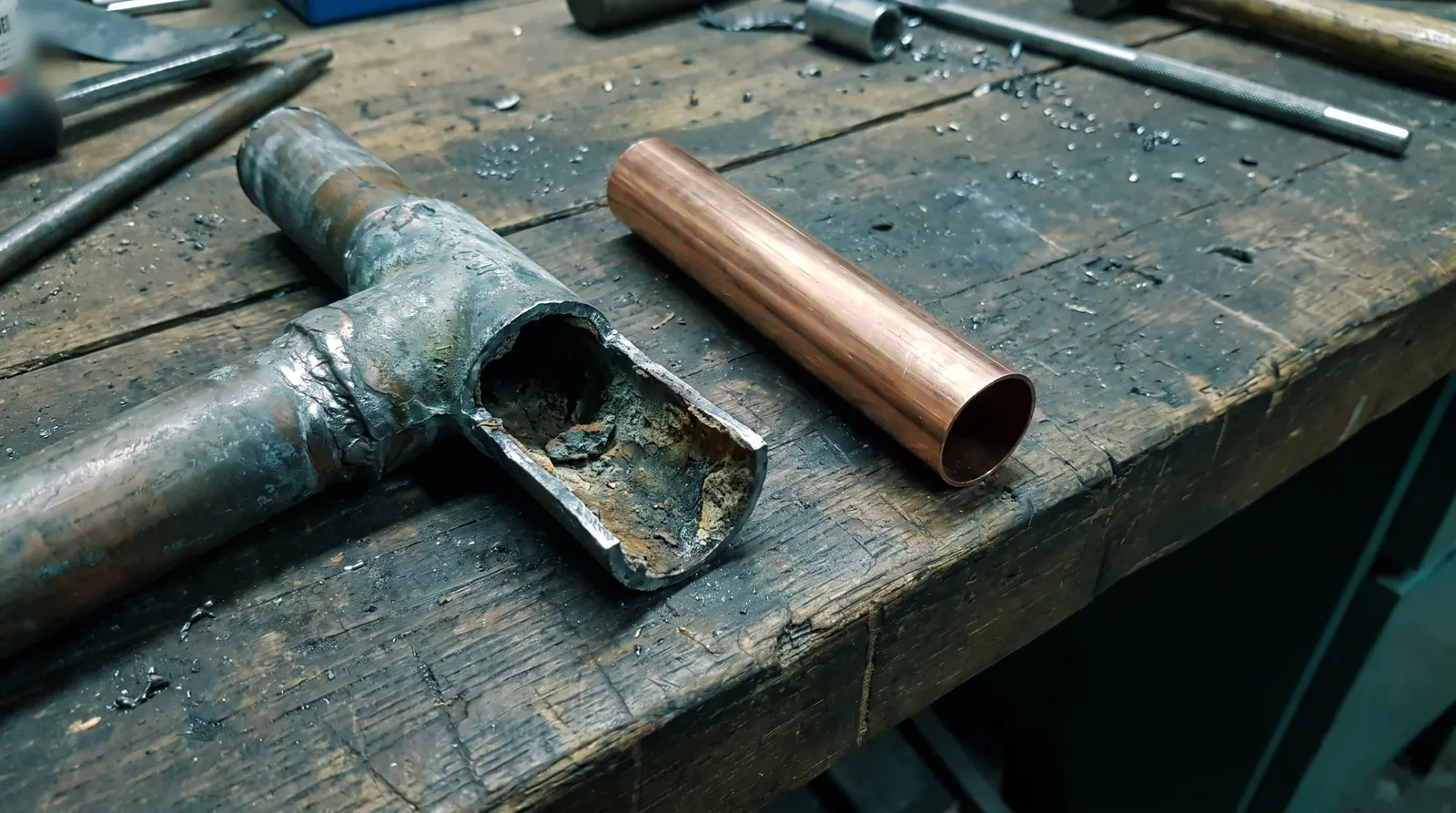
Lead and Old Plumbing: A Problem the Utility Cannot Fix for You

Water quality
PFAS and Drinking Water: What the Chemistry Means for Filtration

Choosing a system
Water in a Commercial Kitchen: Sizing for the Rush, Not the Average

Choosing a system
Water for Coffee: Why the Filter Choice Changes the Cup
Choosing a system
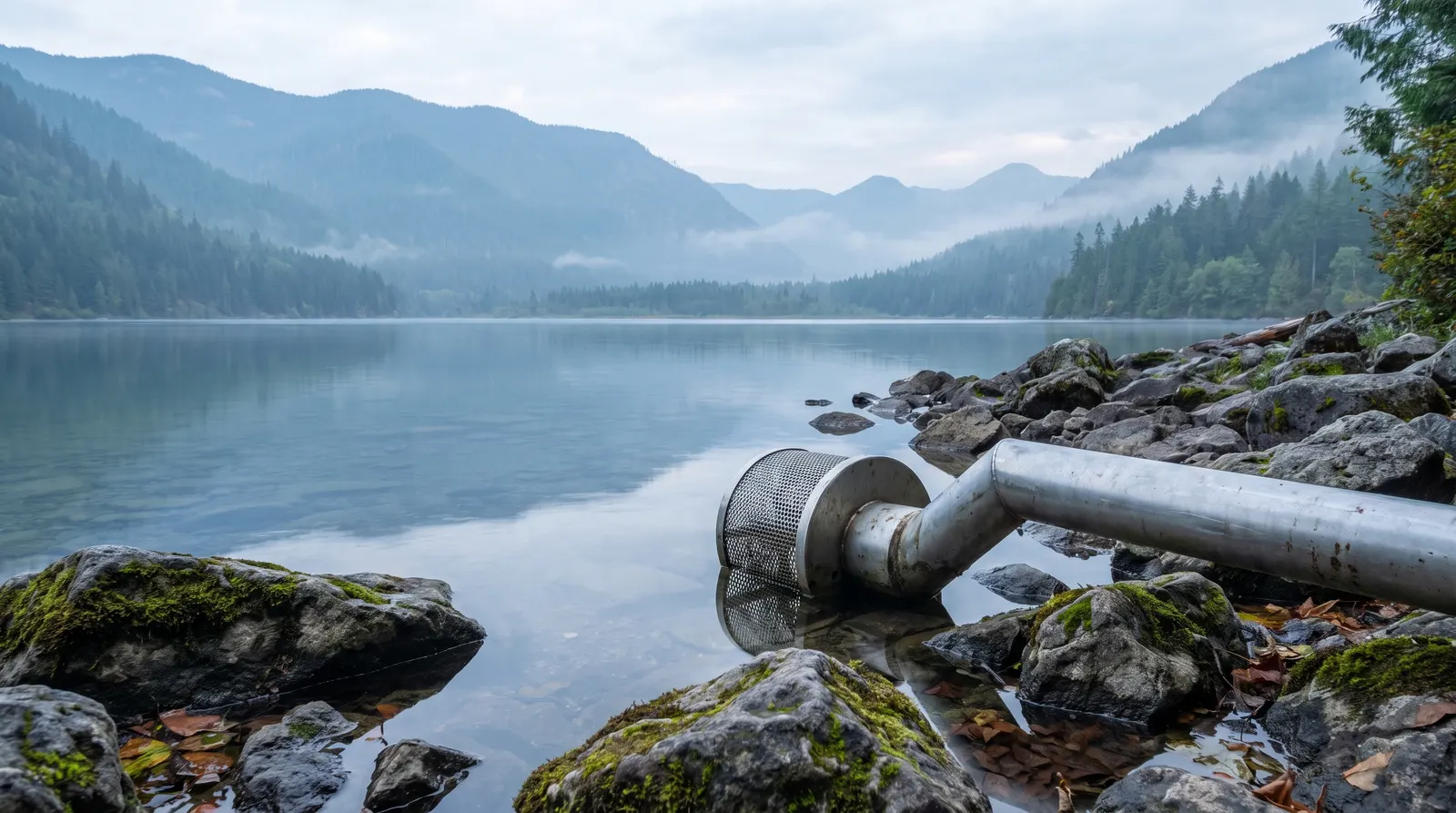
Well, River and Lake Water: What Changes When There Is No Mains
Choosing a system
GPD, Litres per Hour and What a Rated Output Actually Promises
Choosing a system
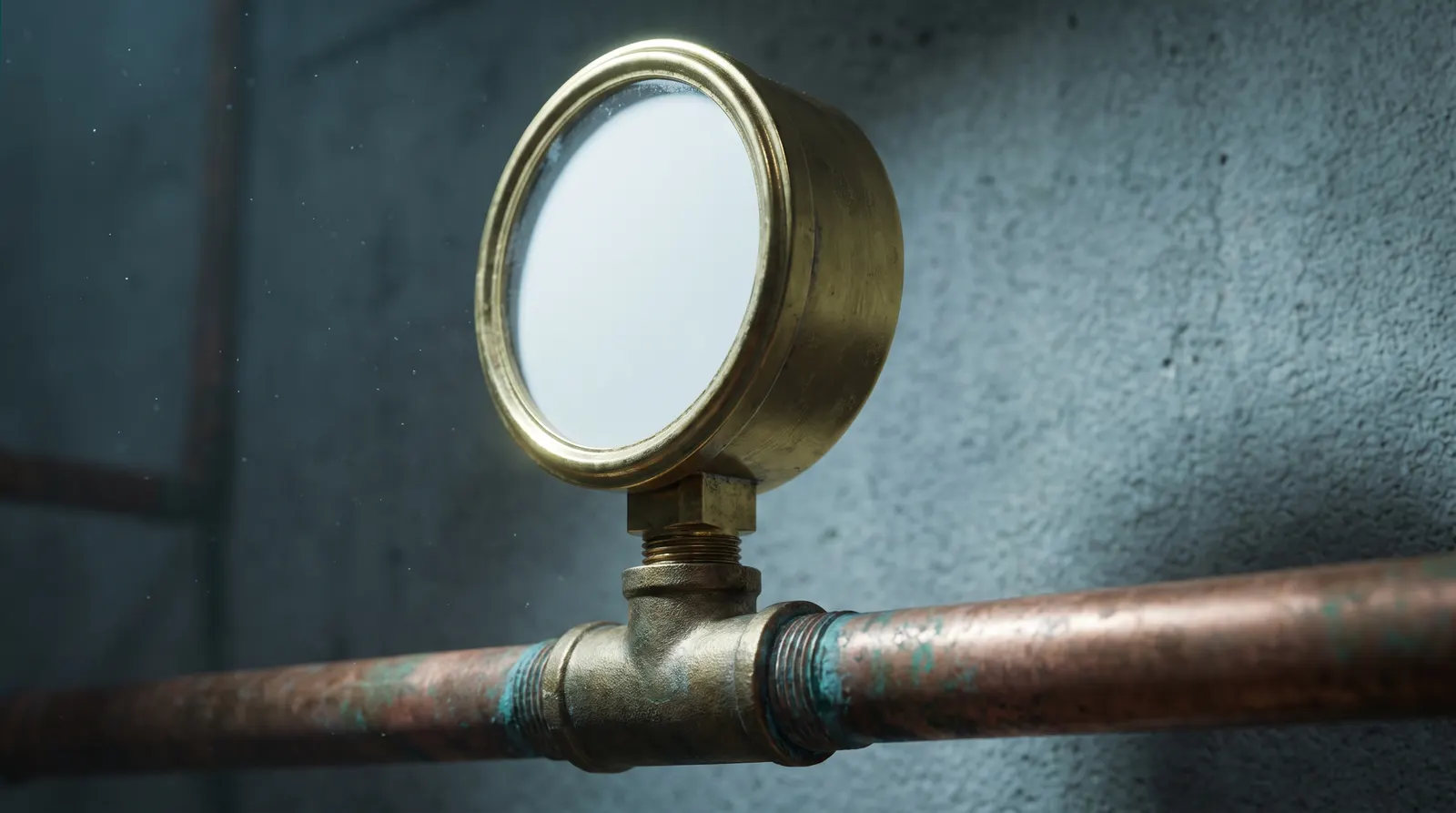
Water Pressure, Explained for Anyone Buying a Filter
Choosing a system
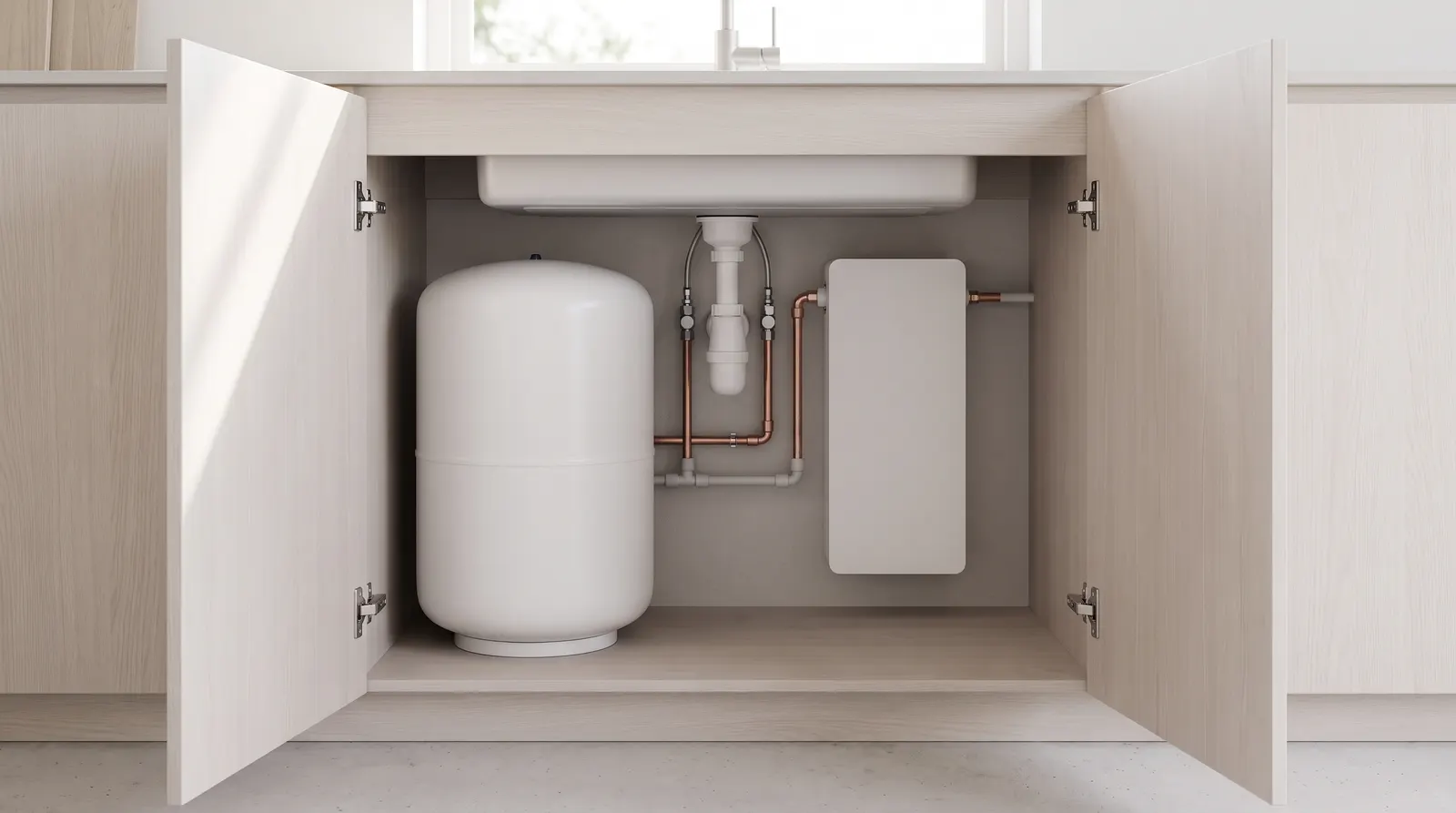
Tank or Tankless: Where Your Filtered Water Waits
From KomiBright
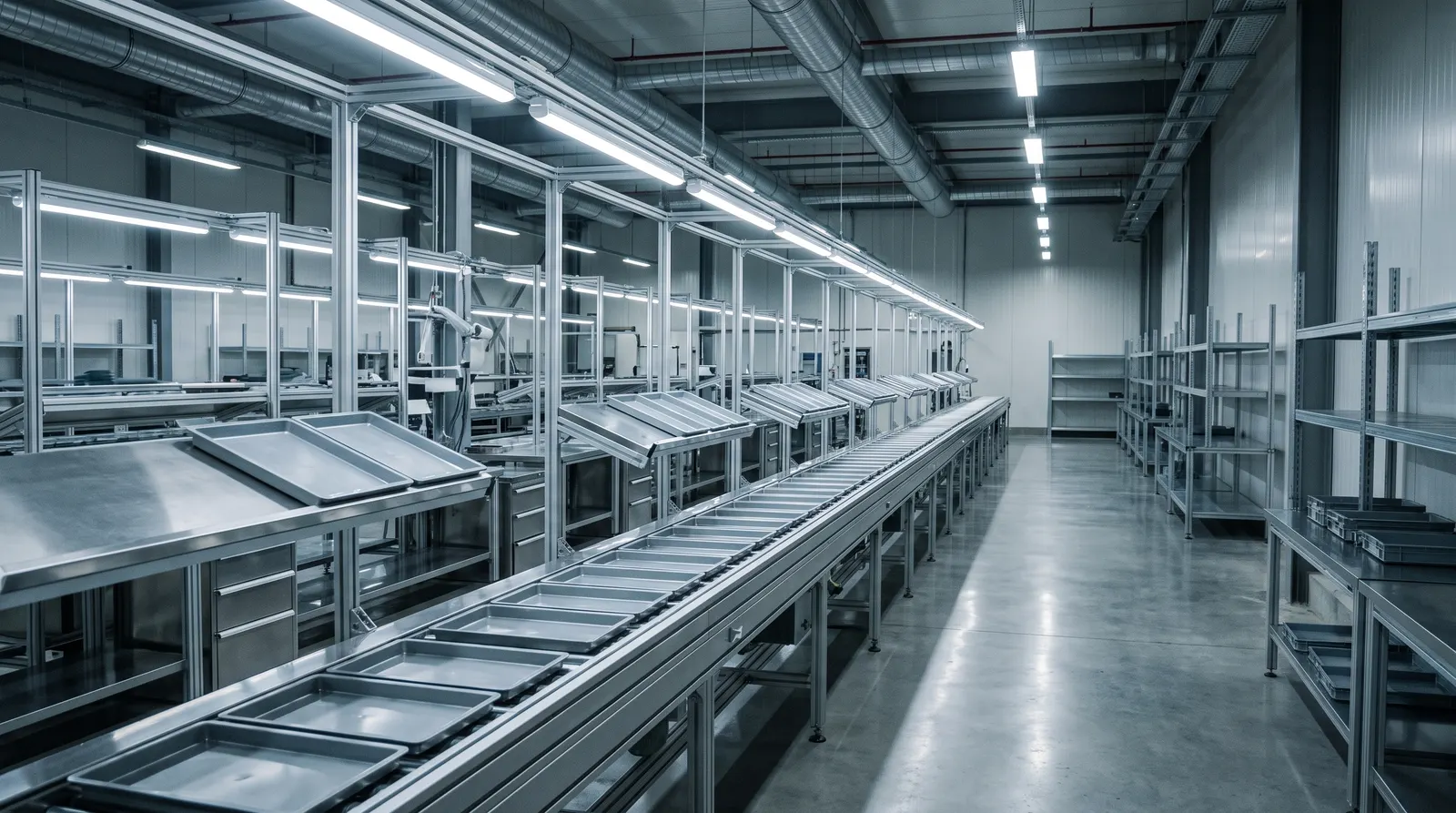
How KomiBright Approaches Modern Water Purification

From KomiBright
Inside KomiBright: From Purification to Global Solutions
From KomiBright
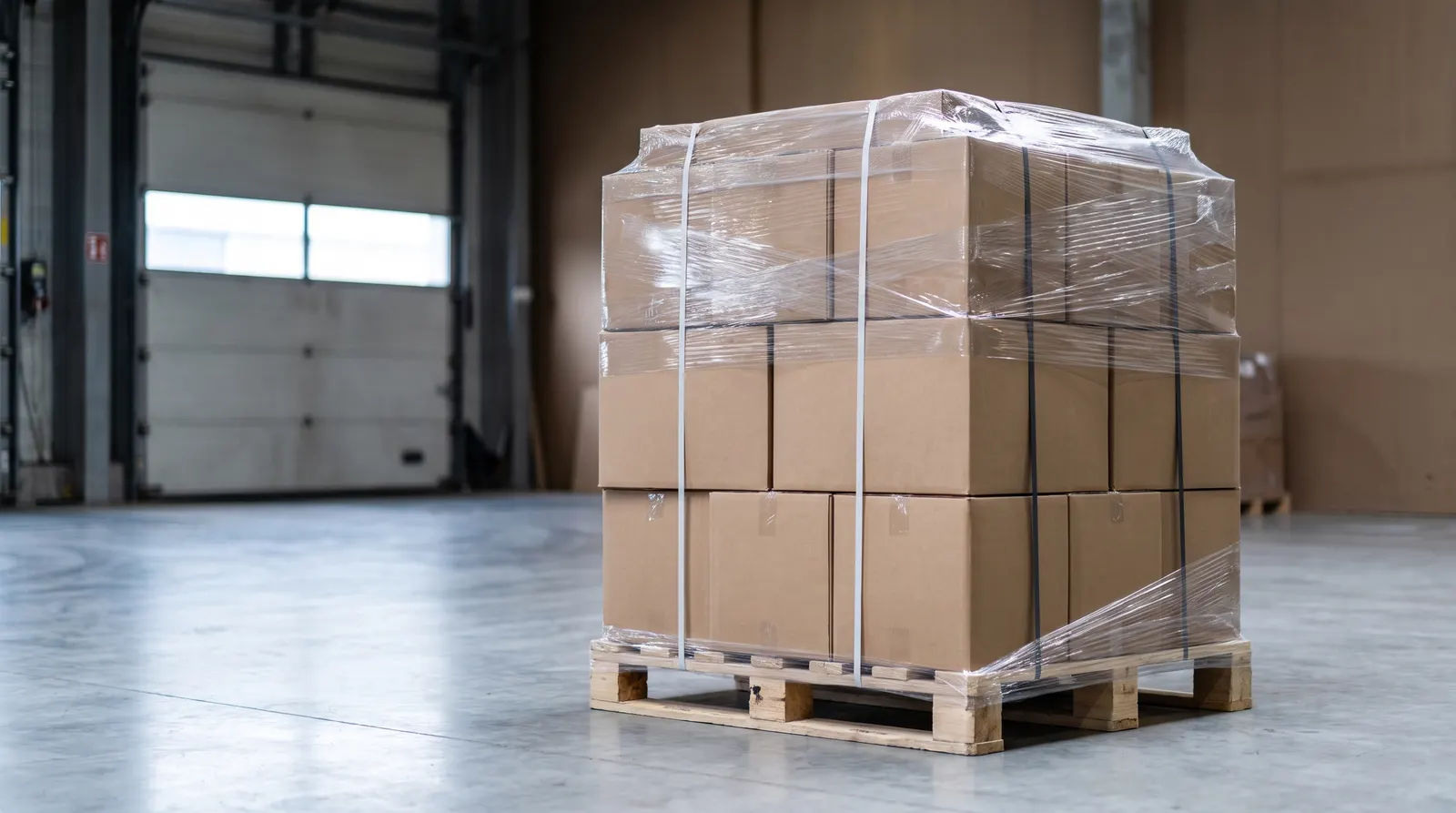
Sourcing an OEM Water Purifier: A Checklist Before the First Order
Water quality